تکامل تاریخی رویکرد غیردولتیها در کاهش بلایا:
سازمانهای مردمنهاد در هفت دهه گذشته مسیری تکاملی چشمگیر پیمودهاند. در سالهای ۱۹۴۵ تا ۱۹۷۰، تمرکز اصلی بر امدادرسانی انساندوستانه و فوری به قربانیان بحرانهایی مانند جنگ بود. در دهه ۷۰ و ۸۰، با تشکیل نهادهایی مانند دفتر هماهنگی امدادرسانی بلایای سازمان ملل، گرایش به سمت رویکردهای توسعهمحلی و کار در جوامع محلی تقویت شد. نخستین سازمانهای جامعهمحور کاهش خطر در نیمکره جنوبی شکل گرفتند: «مرکز مطالعات و پیشگیری از بلایا» در پرو (تأسیس ۱۹۸۳)، «مرکز پاسخ بلایای شهروندی» در فیلیپین (۱۹۸۴)، «مؤسسه کاهش بلایای هند» (۱۹۸۷) و «مرکز آمادگی بلایای بنگلادش» (۱۹۹۲) از جمله این پیشگامان بودند.
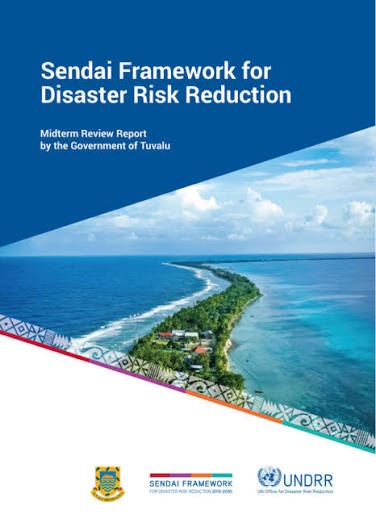
در دهه ۹۰، نسل سوم سازمانهای غیردولتی با رسالت ترویجی و تأثیرگذاری بر سیاستگذاری کلان همزمان با «دهه بینالمللی کاهش بلایای طبیعی» ظهور کرد. تصویب چارچوب سندای در سال ۲۰۱۵ نقطه عطف نهادی بود: این چارچوب بهصراحت نقش «جامعه مدنی، داوطلبان، سازمانهای کار داوطلبانه سازمانیافته و سازمانهای جامعهمحور» را در اجرای محلی، ملی، منطقهای و جهانی به رسمیت شناخت.
زهرا میرابیان
منابع:
-
United Nations Office for Disaster Risk Reduction (UNDRR). (2015). Sendai Framework for Disaster Risk Reduction 2015-2030. United Nations. https://www.undrr.org/publication/sendai-framework-disaster-risk-reduction-2015-2030
-
UNDRR. (2020). Ecosystem-Based Disaster Risk Reduction: Implementing Nature-based Solutions for Resilience. UNDRR Regional Office for Asia and the Pacific, Bangkok. https://mcr2030.undrr.org/publication/ecosystem-based-disaster-risk-reduction-implementing-nature-based-solutions-0
-
UNDRR. (2022). Stakeholder groups make great strides in newly released Sendai Framework Voluntary Commitments Report 2022. https://www.undrr.org/news/stakeholder-groups-make-great-strides-newly-released-sendai-framework-voluntary-commitments
-
UNDRR. (2025). GNDR receives 2025 Sasakawa Award for disaster risk reduction. Sendai Framework Voluntary Commitments. https://sendaicommitments.undrr.org/news/gndr-receives-2025-sasakawa-award-disaster-risk-reduction
-
Sotomayor, K., & Hossain, T. (2026). Sendai Stakeholder Engagement Mechanism: Turning participation into action for disaster risk reduction. PreventionWeb. https://www.preventionweb.net/drr-community-voices/sendai-stakeholder-engagement-mechanism-turning-participation-action-disaster
-
Global Network of Civil Society Organisations for Disaster Reduction (GNDR). (n.d.). Terms of Reference: Development of GNDR Global Strategy 2026-2030. https://www.gndr.org
-
South African National Biodiversity Institute (SANBI). (2026). Chief Executive Officer Shoni Munzhedzi: Biodiversity Credits Workshop 2026. https://www.sanbi.org/speeches/chief-executive-officer-shoni-munzhedzi-biodiversity-credits-2026/
-
Green Climate Fund. (n.d.). Scaling up ecosystem-based approaches to managing climate-intensified disaster risks in vulnerable regions of South Africa (Eco-DRR). https://www.greenclimate.fund
-
United Nations Environment Programme (UNEP). (2025). Terminal Evaluation of the UNEP Project "The Wadi El Ku Catchment Management Project - Phase 2" (2019-2023). Evaluation Office of UNEP. https://wedocs.unep.org
-
WWF. (2025). Setting Down Roots: Mangroves Interlock with Communities on Puerto Rico's North Coast. WWF Environment & Disaster Management. https://envirodm.org/resource/setting-down-roots-mangroves-interlock-with-communities-on-puerto-ricos-north-coast/
-
WWF Madagascar. (2025). Resilience to climate risks in Madagascar: The role of Nature-Based Solutions. https://www.wwf.bg
-
Asian Disaster Preparedness Center (ADPC) & UNDRR. (2020). Ecosystem-Based Disaster Risk Reduction: Implementing Nature-based Solutions for Resilience. https://mcr2030.undrr.org


